A good answer might be:
Yes---this might look like a mistake, but it works.
Revised Picture
|
|
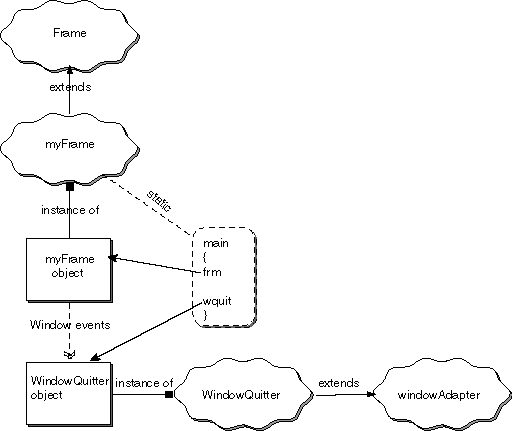
It helps to look at the steps in order:
- The static
main()method starts running.- Since it is static,
main()is part of the bytecodes that the compiler produced. It exists and is available to run when you start the program.
- Since it is static,
- The
main()method asks for a myFrame object to be created and puts a reference to it in a variable.- Since
main()is static, this will not make a second copy ofmain()
- Since
The picture of this program is nearly the same as for the previous version, except now the "static part" belongs to the myFrame class.
Compare this with the picture for the previous version of the program to see how things fit together. The two programs behave in exactly the same way. Which way you organize your program is up to you. A big program with many frames will probably use the first method; a small program will probably use the second method.
QUESTION 14:
Are you beginning to wish that GUI programming had never been invented?
Click Here after you have answered the question